RUBICON STATION
First person adventure
Introduction
In this project I set out to create a first person experience where the player needs to escape a research facility on another planet far from home. The focus was to create a linear level that rewards exploration inspired by games such as Prey & Bioshock. The ambition with this level was to design environment and puzzles that seamlessly blends together in to a tight and exciting experience while still preserving a sense of player agency.
Goals for this project
- Immersive Level Design
- Pacing
- Puzzles
- Game Design
project details
- Developed over 4 weeks, half time.
- Engine: Unreal Engine 5
- Level Design
- Self scripted template
- Level assets made in Blender
- Animations made in Unreal Engine 5
External Assets
- Realistic Starter VFX Pack Vol 2
- Blockout Tools
Level overview
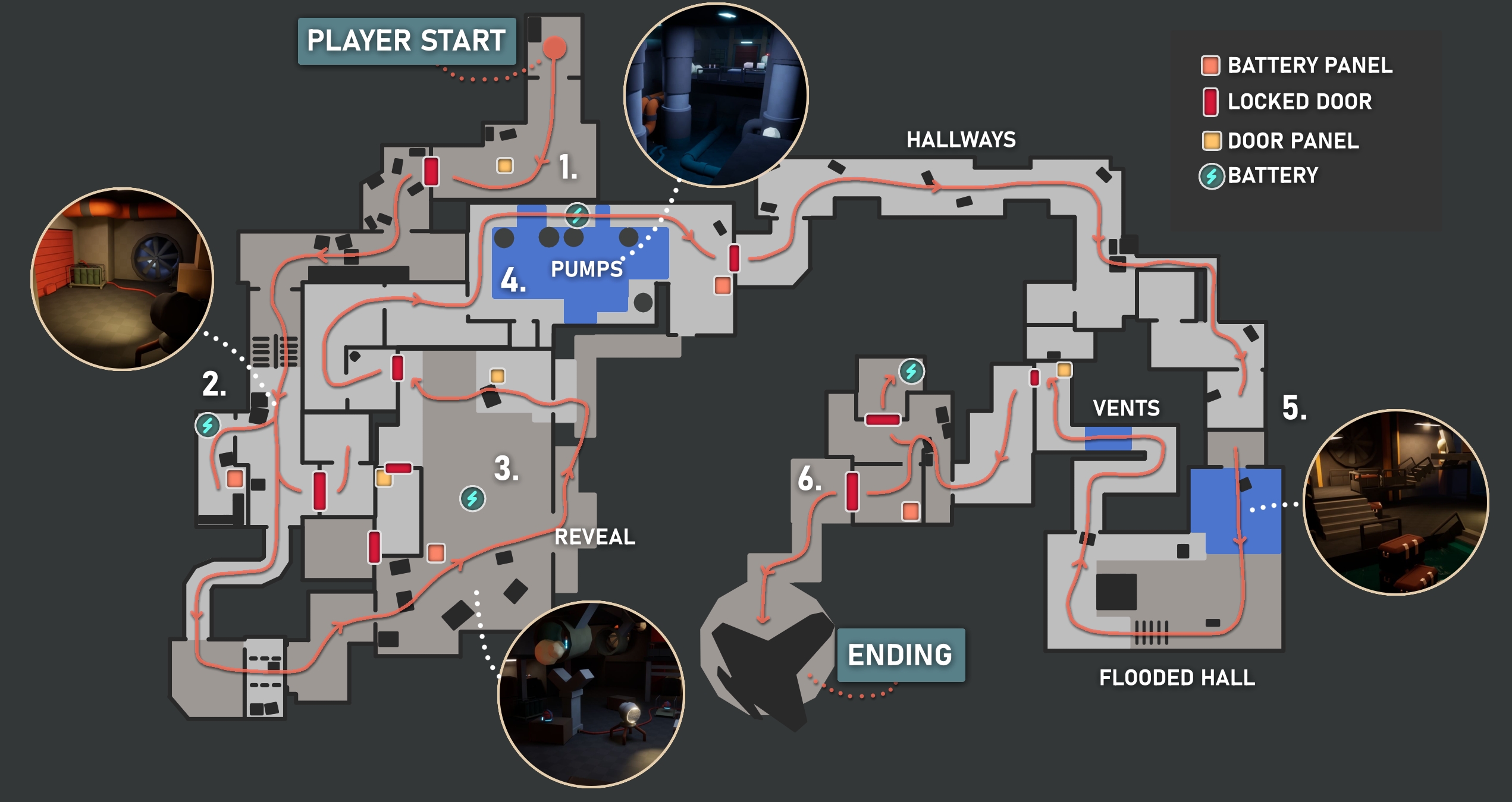
level flowchart
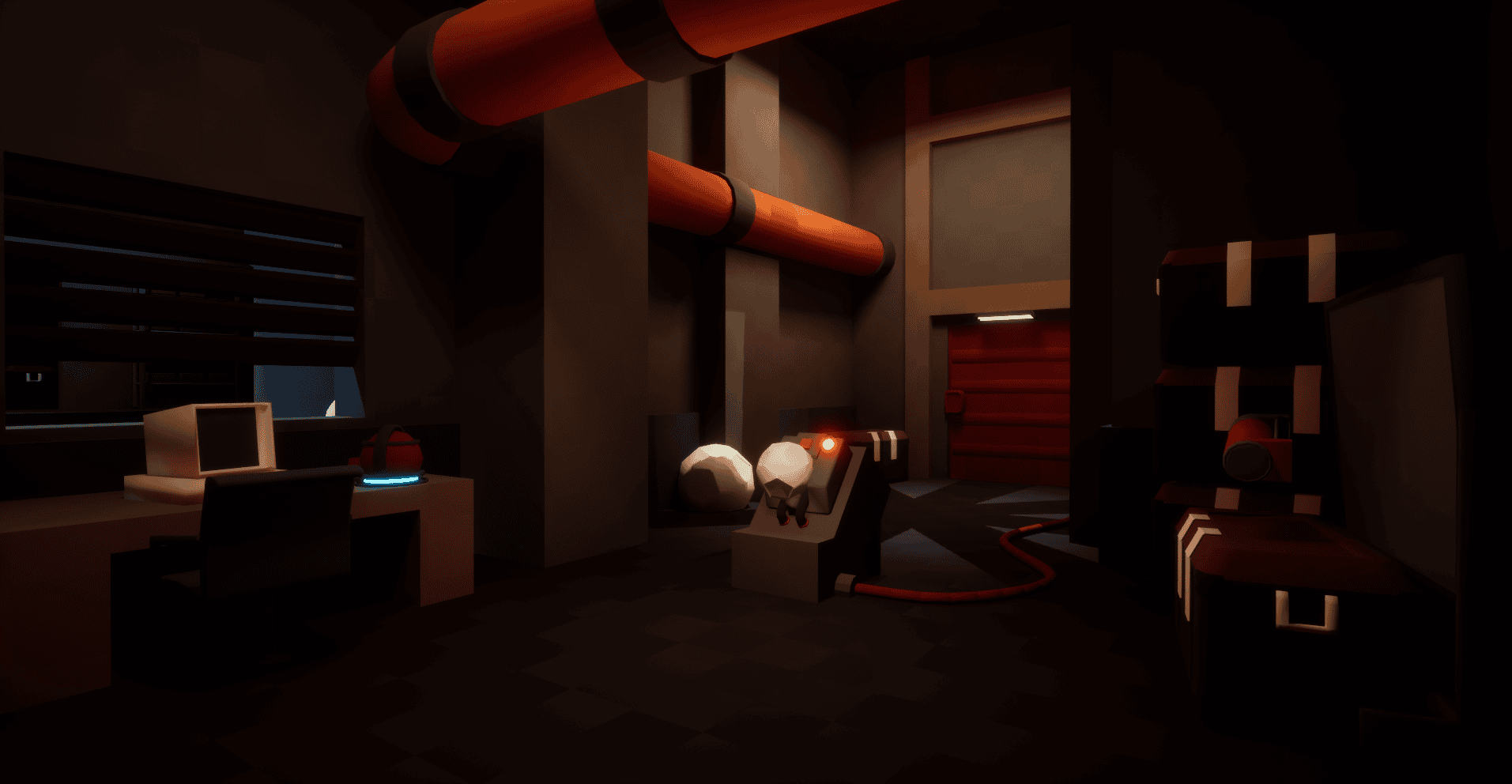
1. Introduction
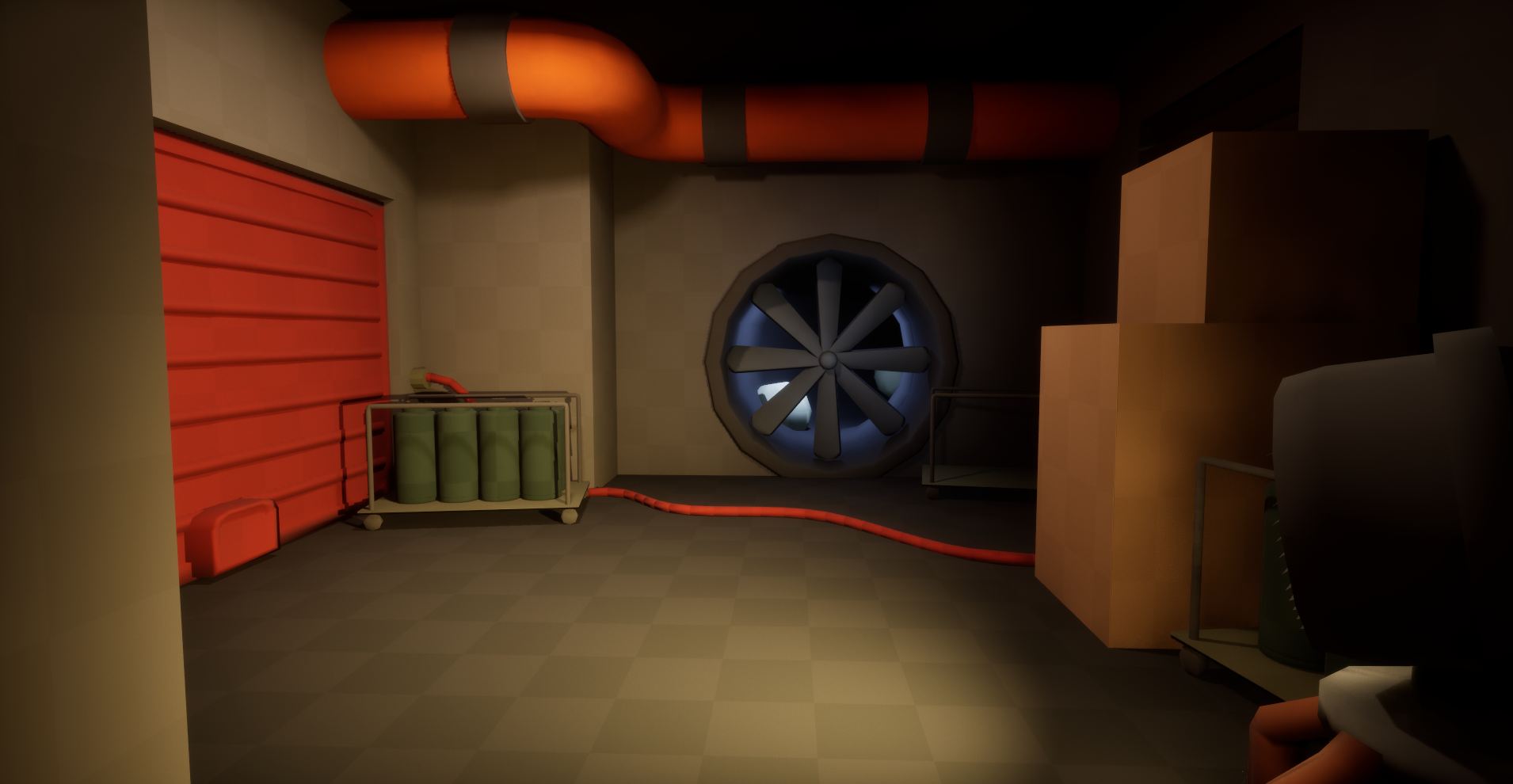
2. break the fan
3. the reveal
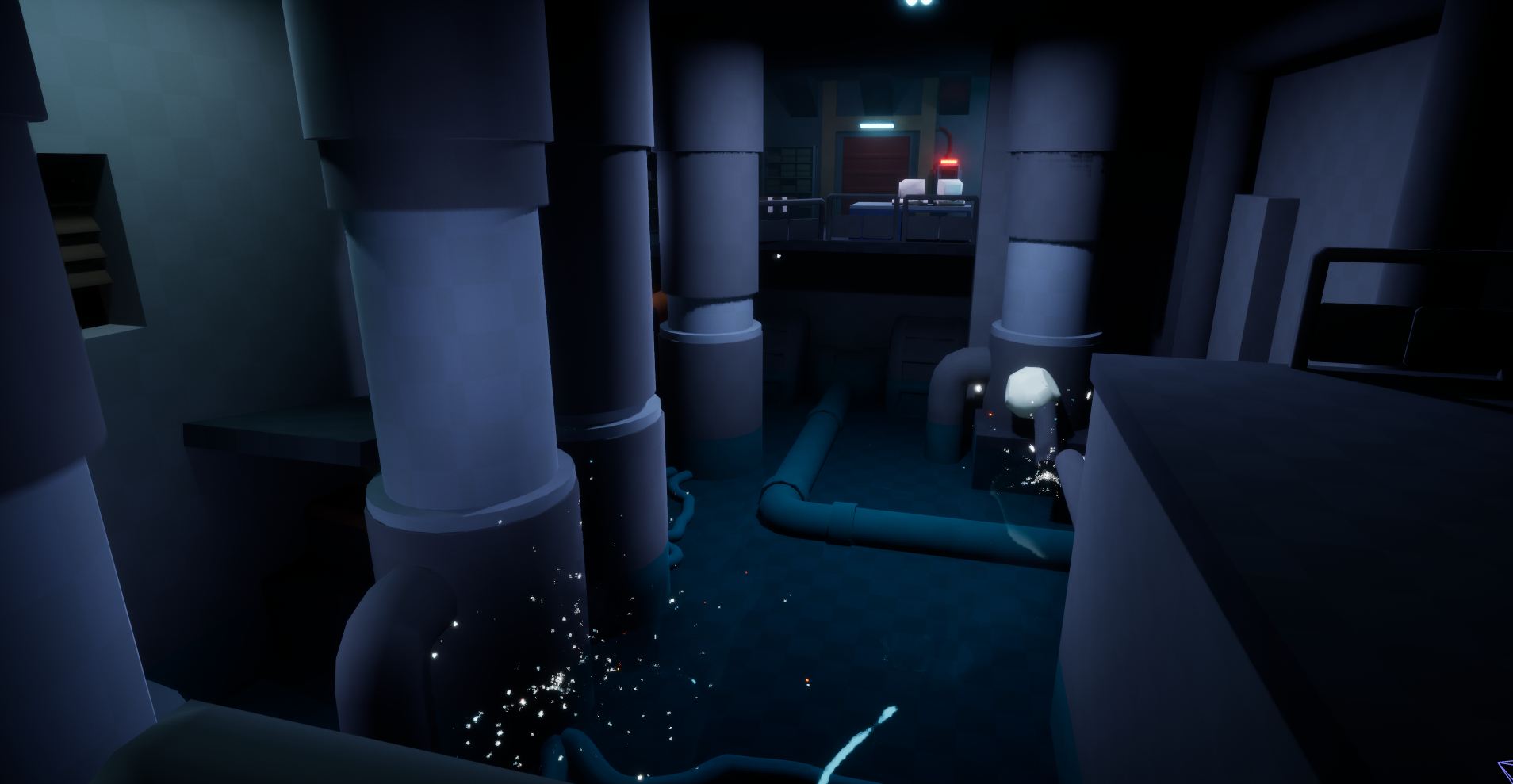
4. hazards
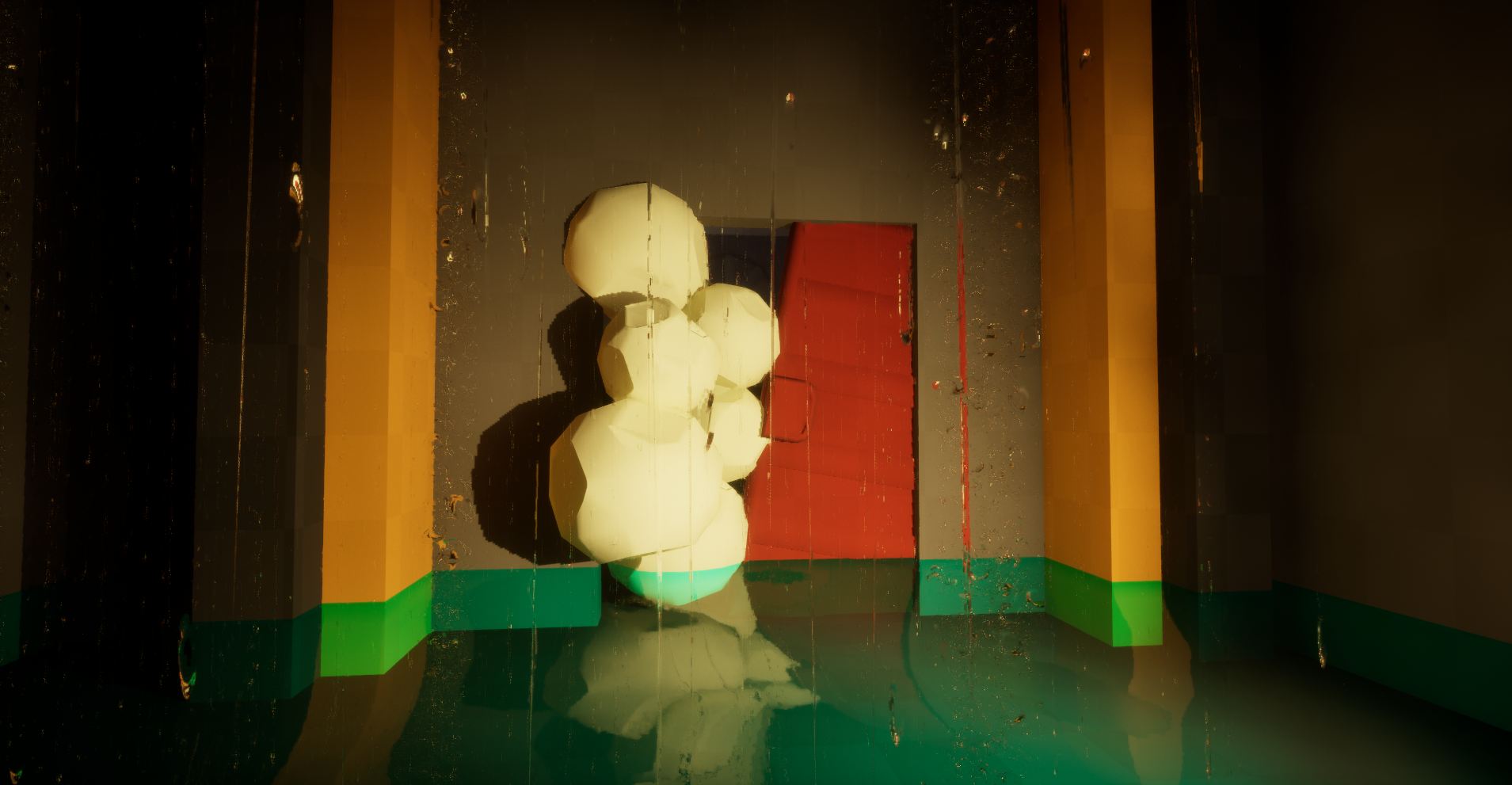
5. down the rabbithole
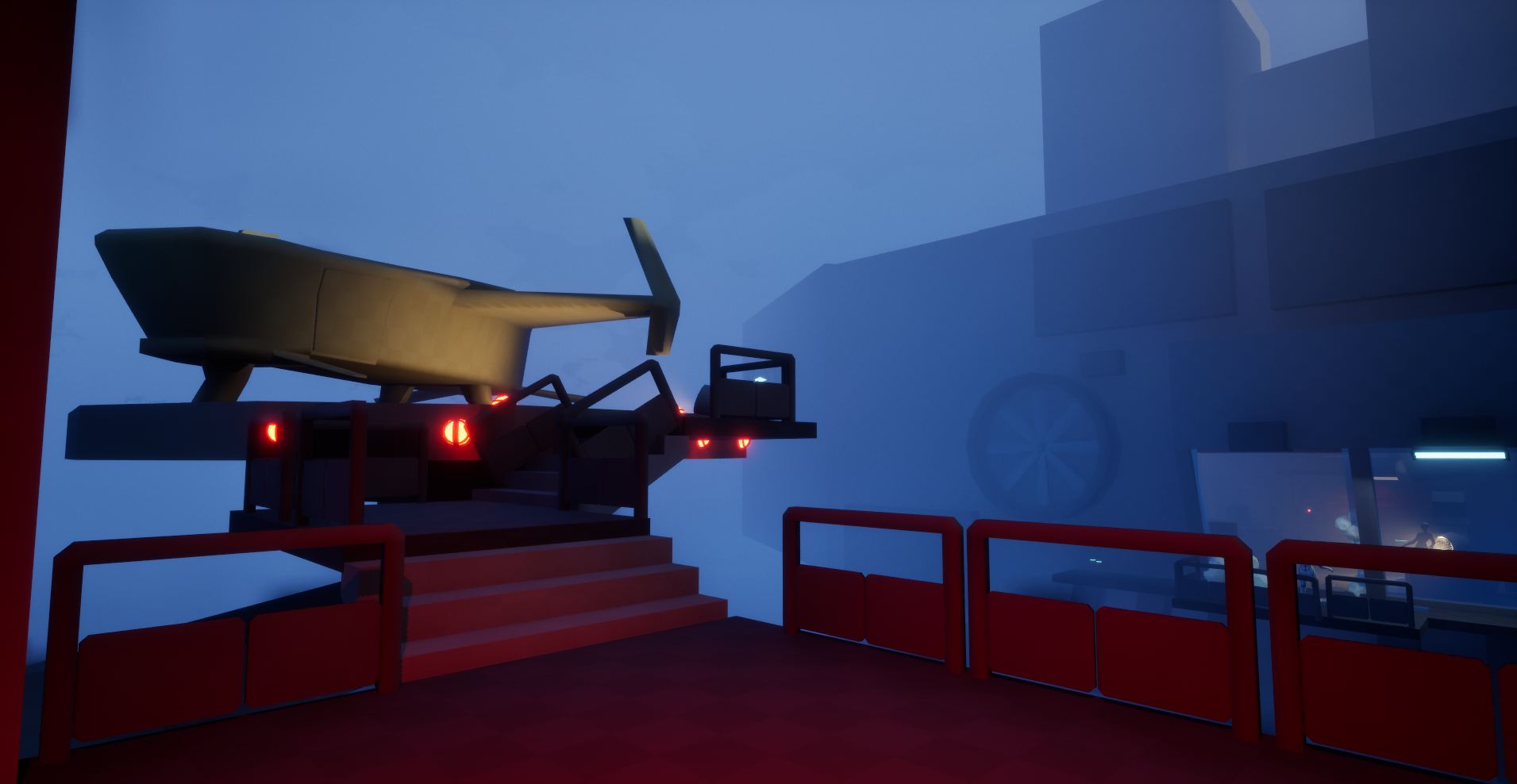
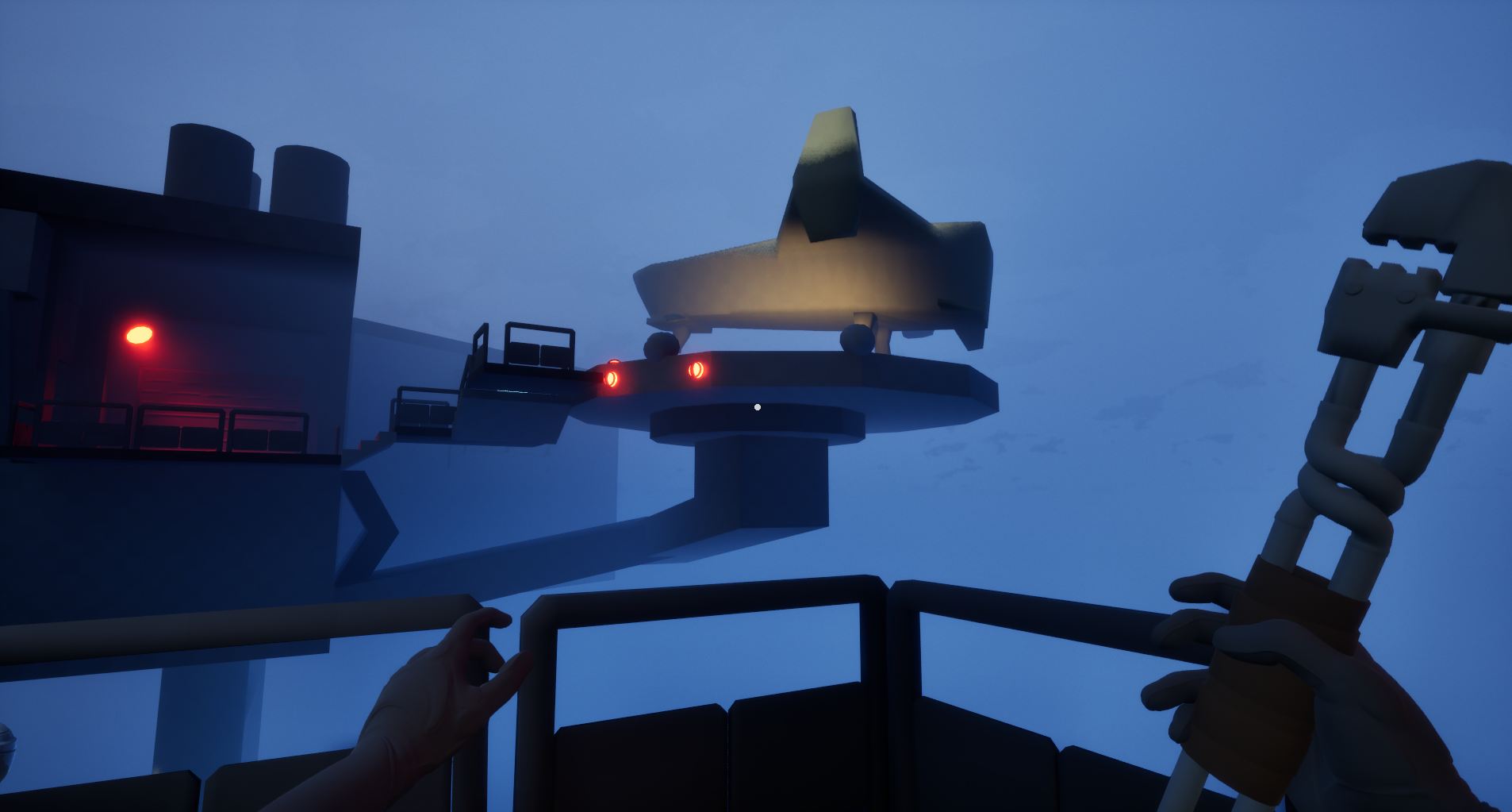
6. to orbit
Design process
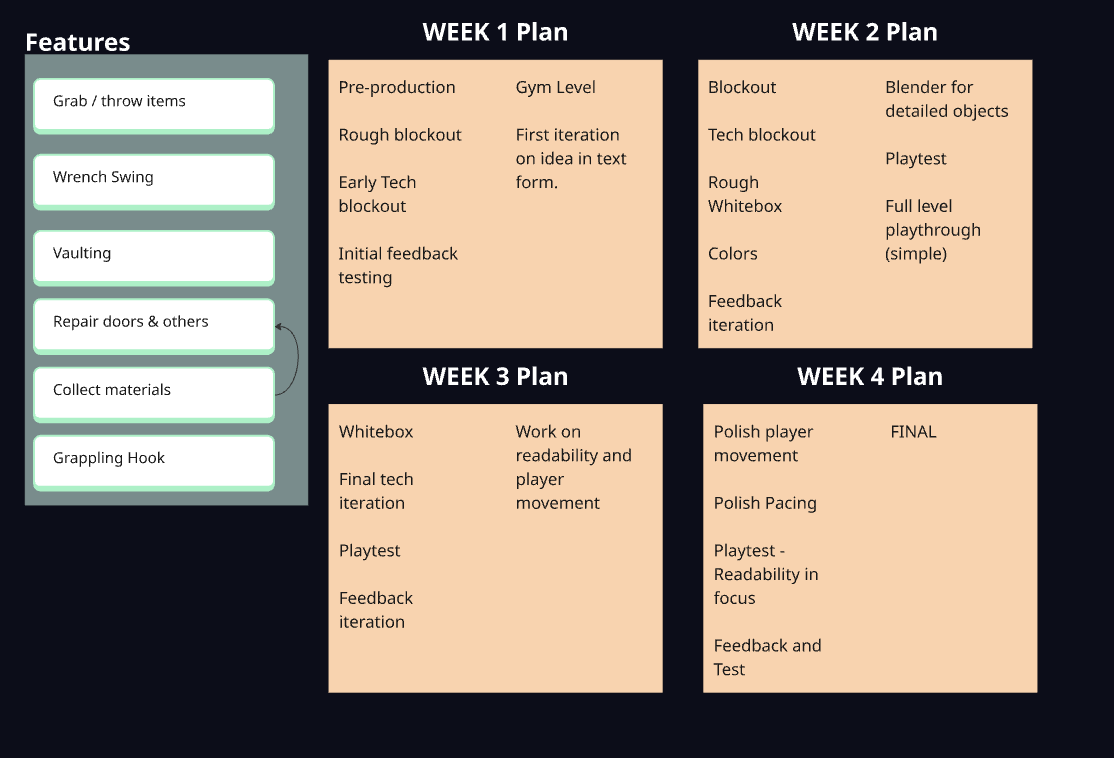
Planning my work
For this project I wanted to work with a short deadline and structure my work accordingly. I planned for a four week project, and reached my goals after three and a half weeks. This allowed for more time for polishing colors and lights.
Before I begin working with a project, I like to make a simple plan with clear goals, and deadlines. The plan does not need to be set in stone. It’s function is to help structure my work, ideas, and make it clear when and where things need to be done.
Gathering Reference
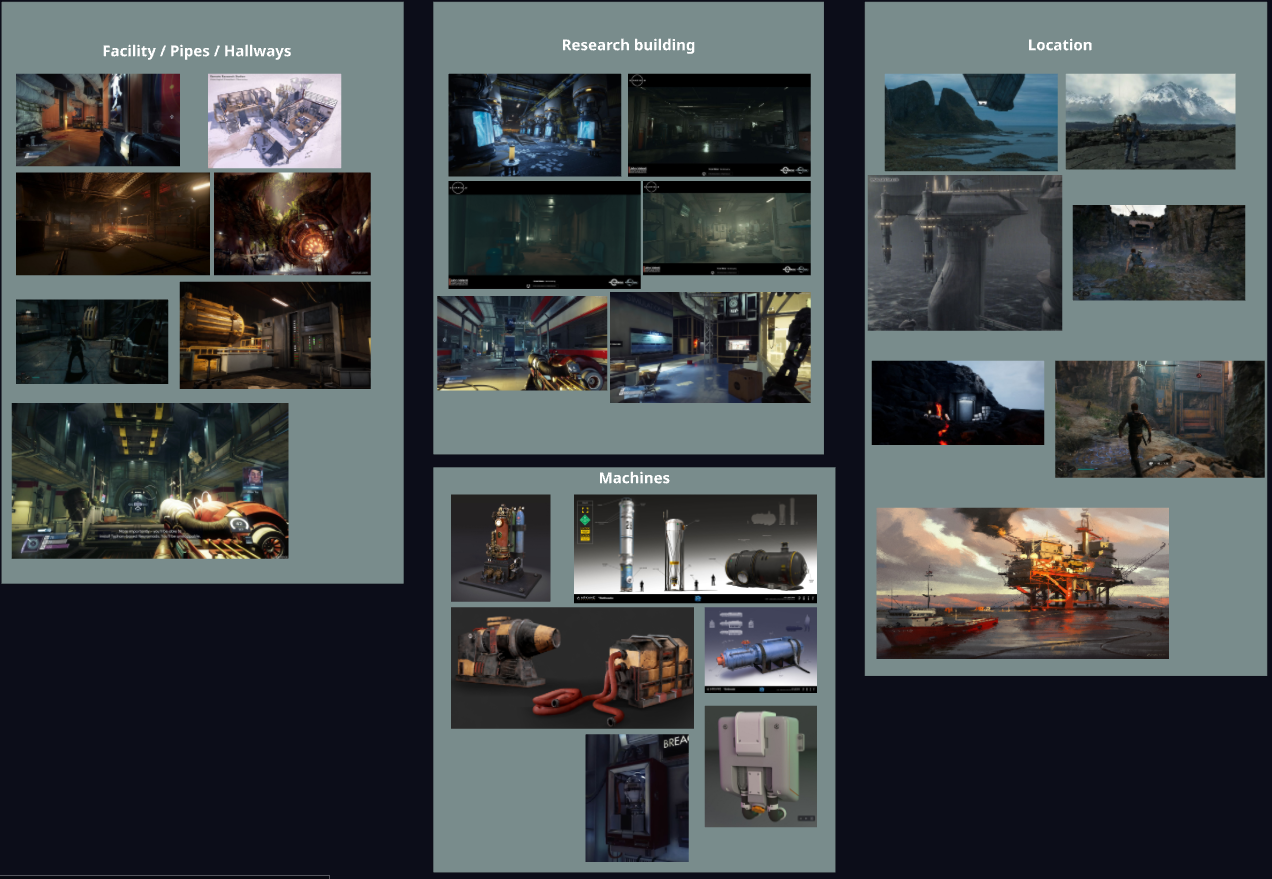
In my design process, finding references is a big part to help me get a visual representation of my level. It also allows me to share my thoughts with coworkers / friends, and early iterate on my ideas with their feedback.
My reference table will mostly consist of architecture and visuals. If I will be working with gameplay mechanics I also tend to find reference for the object or mechanics that the player will interact with.
Blockout process
Iterations
During the blockout phase of my design I try to iterate as much as possible. Basing my iterations on feedback and on new ideas that takes shape while making the level. If a level feels off, or does not meet my expectation, I take no issue with making large iterations and changes. I can quickly build a new level, and when I’m happy with the design I can move on to the next phase, which is usually adding mechanics and colors to the level.
In this project I started with the idea to have a canyon that the player should move around in. However, I pivoted away from that idea. It felt out of place, and players feedback was that its a frustrating and boring place. So, I cut it from the project, and leaned more into making the movement in rooms feel more engaging.
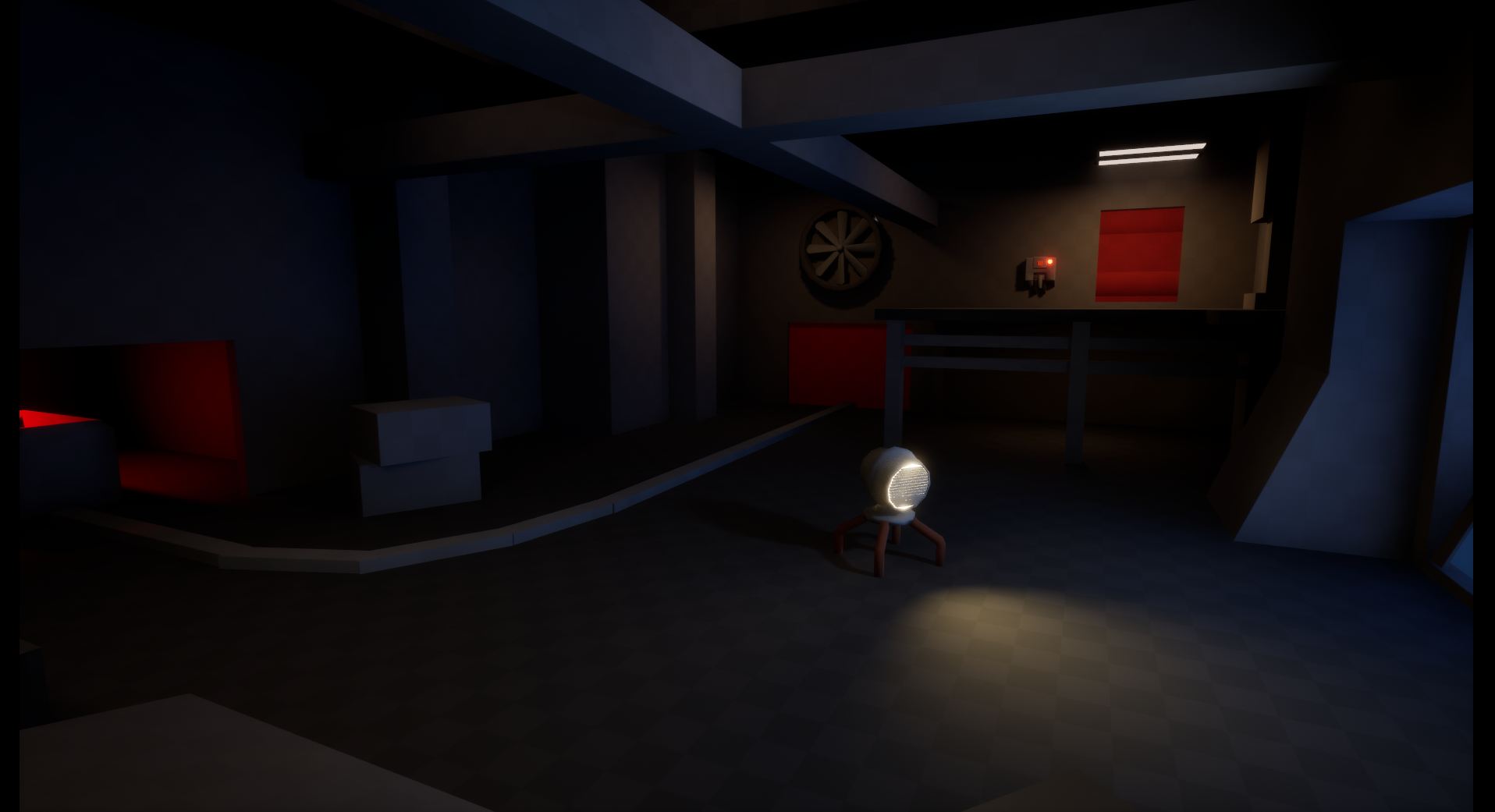
BEFORE
First stages of Whitebox iterations. Goal here was to reach the door on the right side. The line in the middle of the room was removed later, and the gate on the far end of the room was given a new color to not draw much attention to it. Players believed that is was the main door to reach.
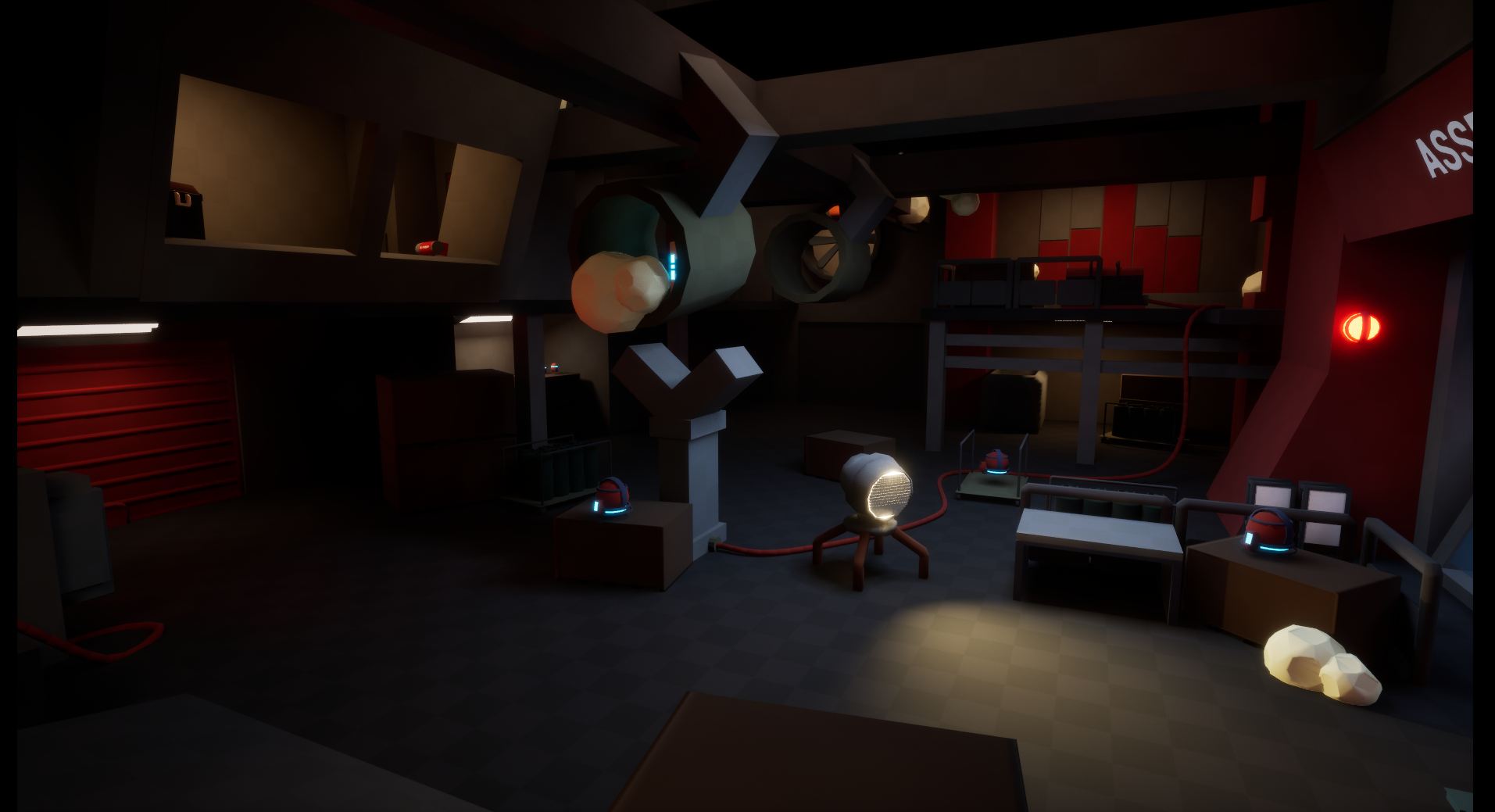
After
After feedback and later stages of Whitebox. The door was moved and replaced with wall art. The door now requires the player to explore more to find it. I also use a cable that leads up towards to second platform to aid in the navigation.
Quick testing and iteration
In the first week of this project I built a player gym. In this gym I can quickly test my puzzles, movement, and other interactions, and if changes is needed, this gym allows me to test the changes without compromising the main level layout.
I also believe it’s good practice to have a player / metric gym during the design. It is often easier to communicate with coworkers about the design if we have a small and effective place to iterate on changes.
Design techniques
using movement to draw attention
In early playtesting I noticed that some players could easily get confused on where to go next. One of the solutions to this was to add movement in the level. With the use of mechanical fans and pumps, players started to advance more quickly through the level and got stuck less.
To help highlight some of the movement, I experimented with different lights, and colors to help enhance the movements and make it feel more dramatic.
Thinking vertical
To create engaging movement, I designed around the intent to allow the player to move vertical and have it be part of how they progress through the level. This helped to make the rooms more involved, and engaging. As well to teach the player to look for ways to move around in different ways and award their exploration.
Hazards and tight crawl spaces that becomes more prominent throughout the level to increase the tension and change the pacing.
Moving between rooms
Funnel before reveal is a technique we can use to increase the tension for the player when moving around the the levels. I designed a tighter corridor that leads the player in to a larger, more open space. To motivate the player in to this space I block parts of the initial reveal after we get through, to then give the player a full reveal of the space.
loop the level
One of the things I wanted to achieve with this level was to give the player an early look at their goal and then have the level loop around, so that when they reach the end they’ll look back at their journey and see their progression.
GAME Design
simple puzzles over complexity
Since I planned a short project, it was important to not overcomplicate the puzzles. My intention was to have the puzzles feel natural and invite player movement. If at any point the player needed to stop and think to hard about the puzzle, I would go in and restructure it to fit the planned pacing.
My breadcrumb for the puzzles are the chalkstones that works as a guide around the level and helps to tell the player where interesting things can be found. At the same time, they served as a fun object for the player to smash and interact with.
using the wrench
The wrench became my level main mechanic from early playtesting, as I noticed that players enjoyed using it to smash the chalked stones and just swing it around. So I took an early decision to use the wrench as part of the design of my puzzles. When players learned that they can use it to smash the panels to opens doors, they reacted in a positive way, and thought it was fun and engaging.
Allow the player to play
A mechanic that I personally love in first person games is to be able to pick up items. It adds immersion and player agency. However, it does also introduce risks. Such as if the player decides to throw away an important item? How well they understand the items purpose? And much more. To lessen the risks, I had to think about the placement of puzzles, where the player needs to pick up items to continue, and what item they need and can pick up.
Full Playthrough
Closing thoughts
This project was a joy to work with. I’m proud of the choice to give myself hard deadlines and then to also reach my goals two days ahead of that deadline. But with short projects comes sacrifices. If I had more time with the project, my focus would be to improve how I teach the player vertical movement. In my later playtesting, some players with less experience in the genre, could find some of the paths to progress hard to identify. Since it required the player to experiment with their movement in ways they were not used to.
I would’ve liked to explore deeper with what types of puzzles I could’ve designed with the wrench. If I had the chance to start again, my focus would have been to not spend as much time on the pick-up mechanic, and just design more interesting puzzles and levels with the wrench, since players enjoyed it so much.
Thank you for reading.