The Last Empire
third-person action
Introduction
In this project I set out to create a third-person action experience. Set in an old ruined city where the player is search of an old artifact. However, they are not alone in the search. I also want to develop skills in making combat spaces, and learn more about the usage of space for both the player and the enemy.
Check out the winter edition of this level made in collaboration with Technical Artist Erik Svensson.
- Combat Space Design
- Composition
- Adventure
- Puzzle
Goals for this project
Project details
- Develop time 5 weeks half time
- Engine: Unreal Engine 5
- Level Design
- Combat Design
- Level assets made in Blender
External Assets
- JakubW Third Person Template
- Blockout Tools
Level overview
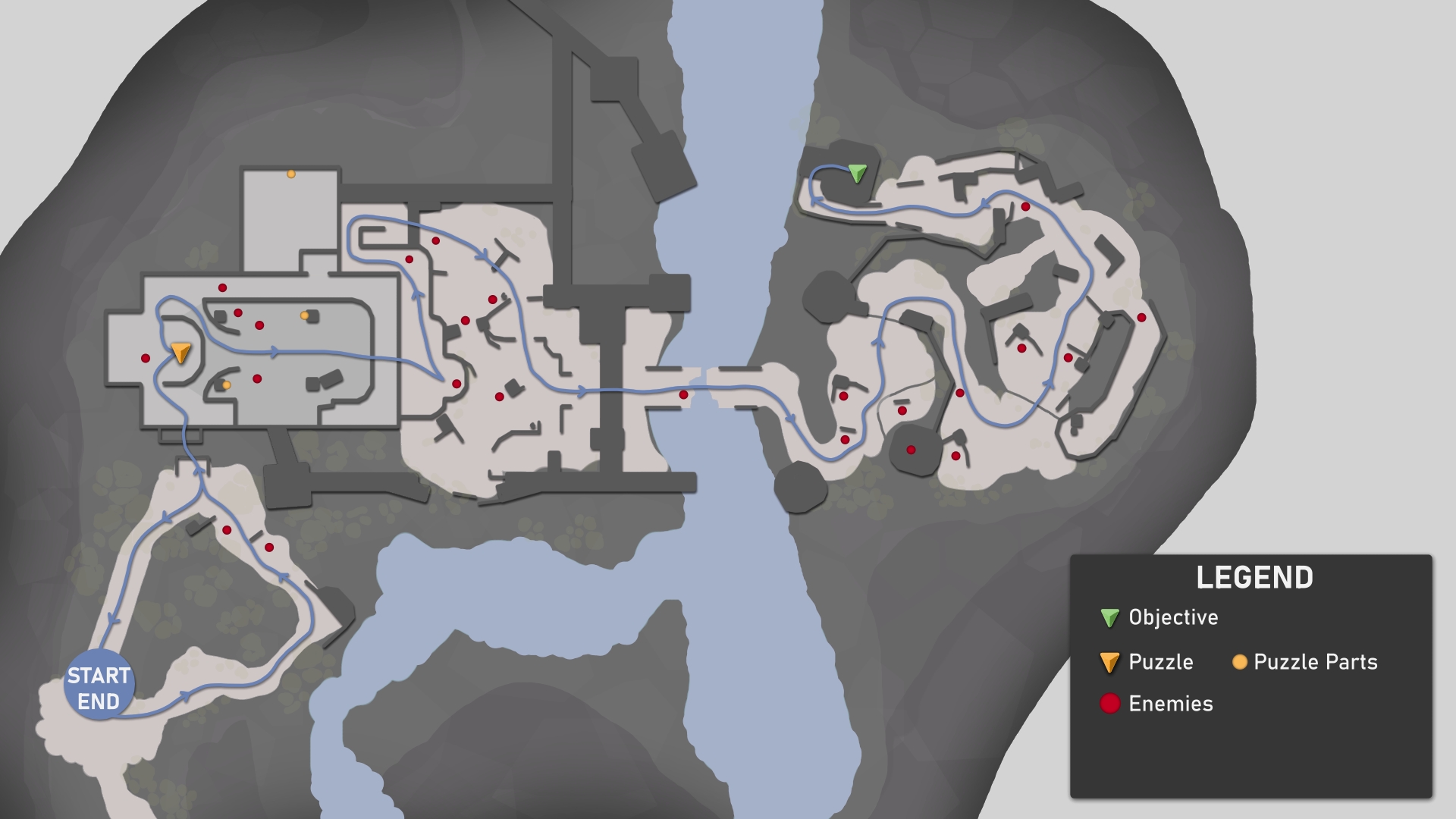
Level flowchart
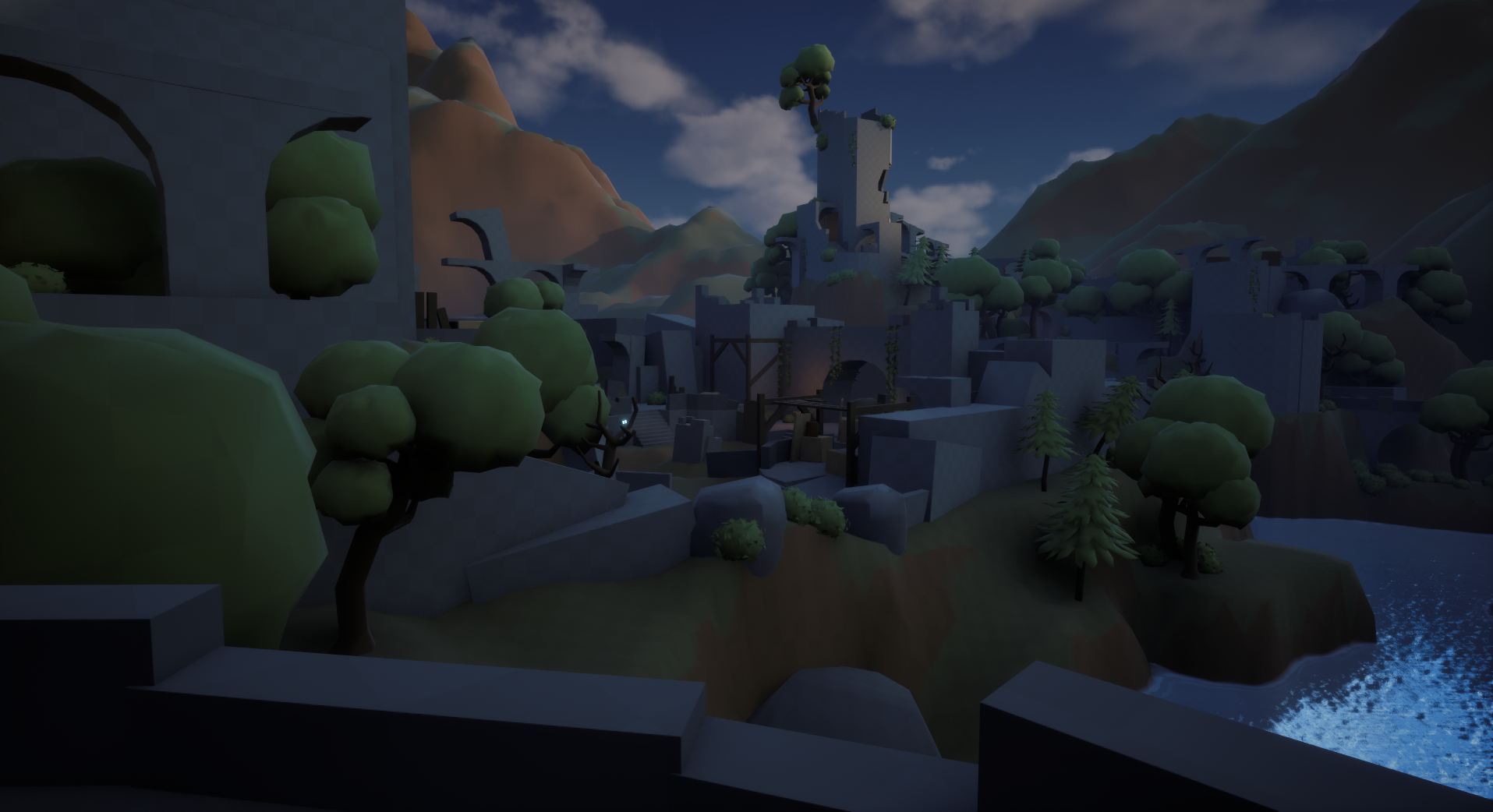
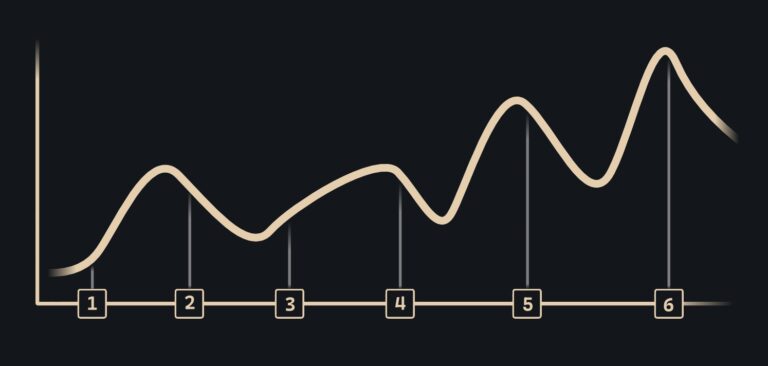
1. Reveal
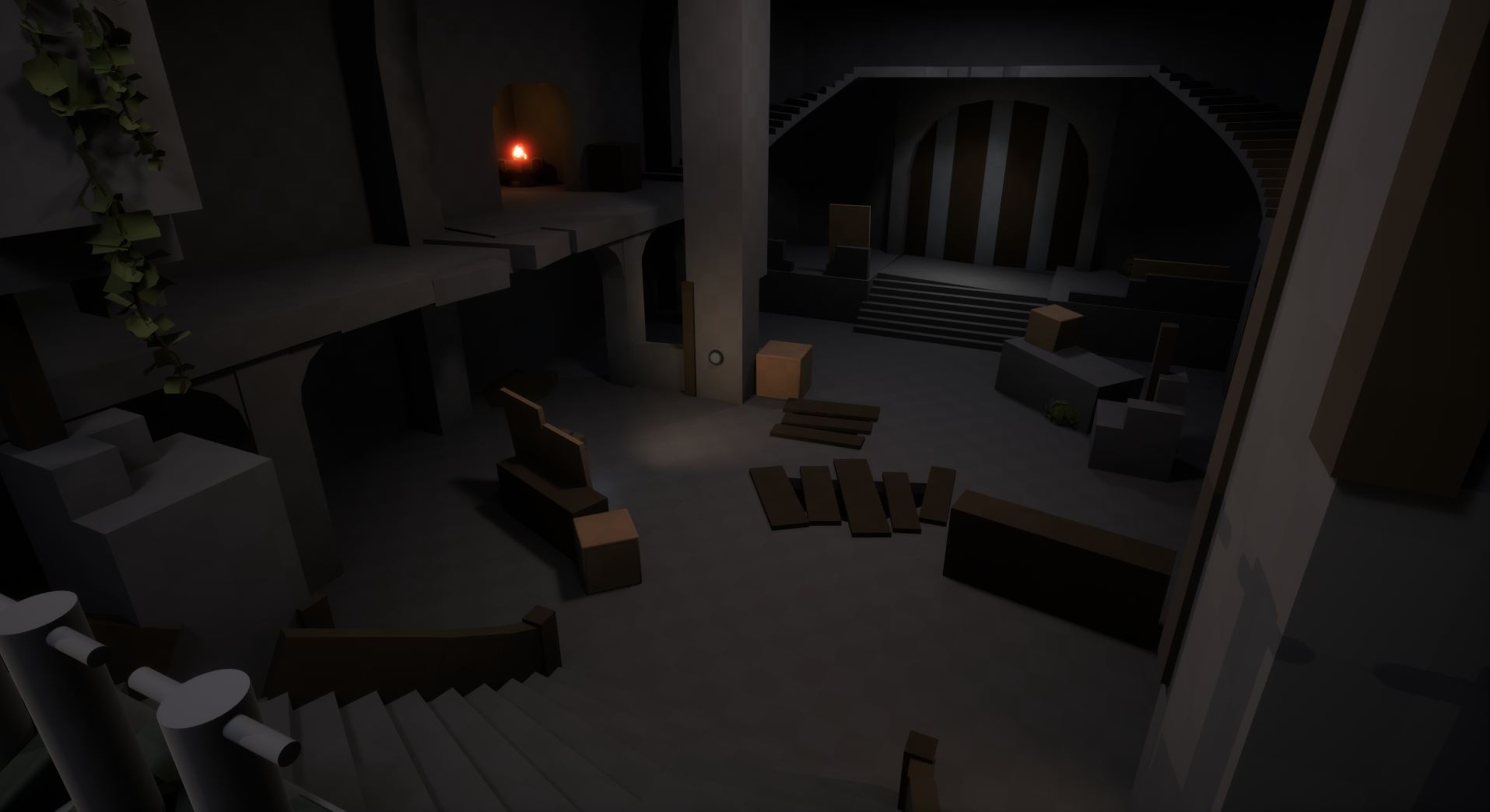
2. The temple
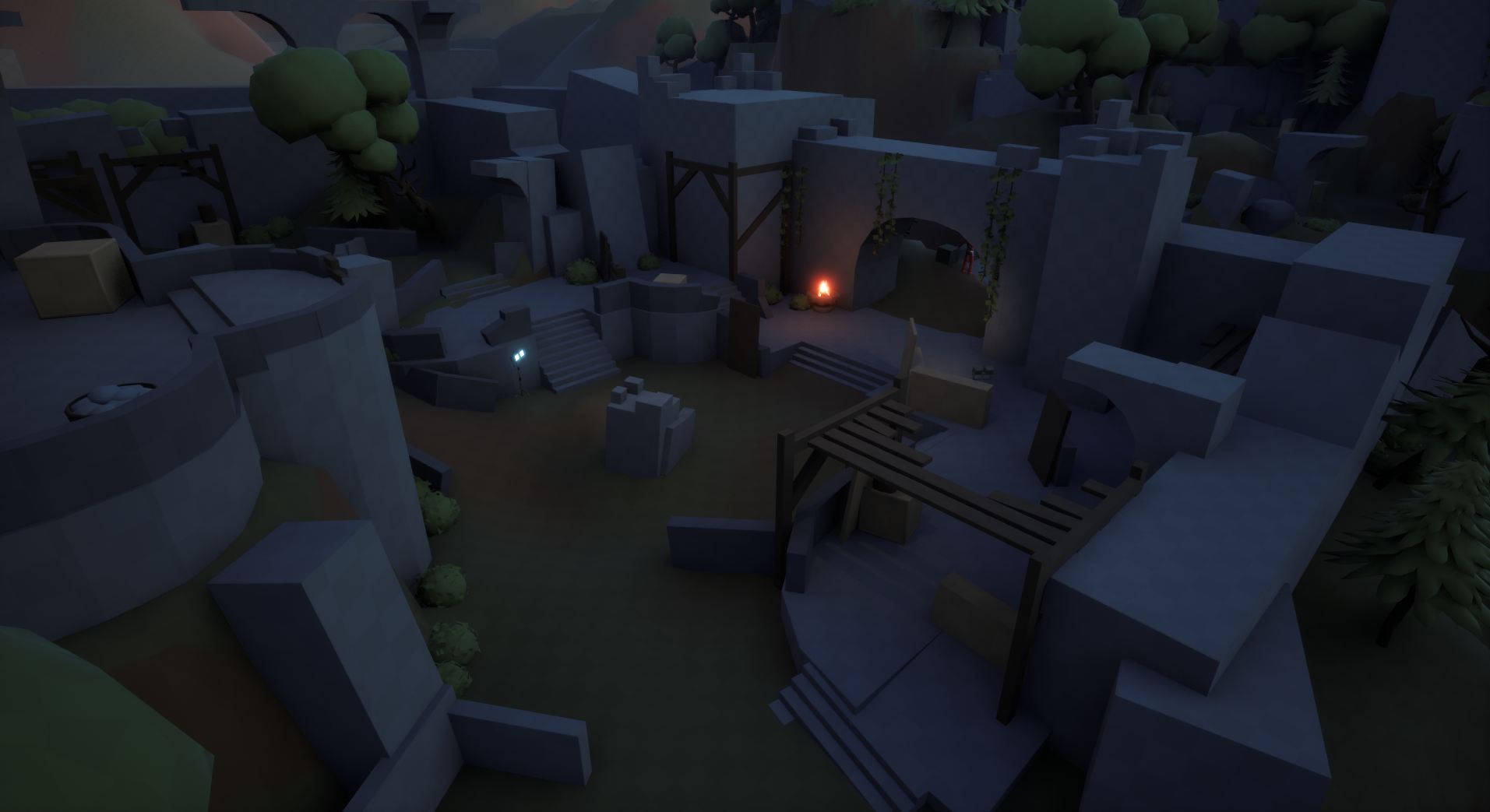
3. The ruins
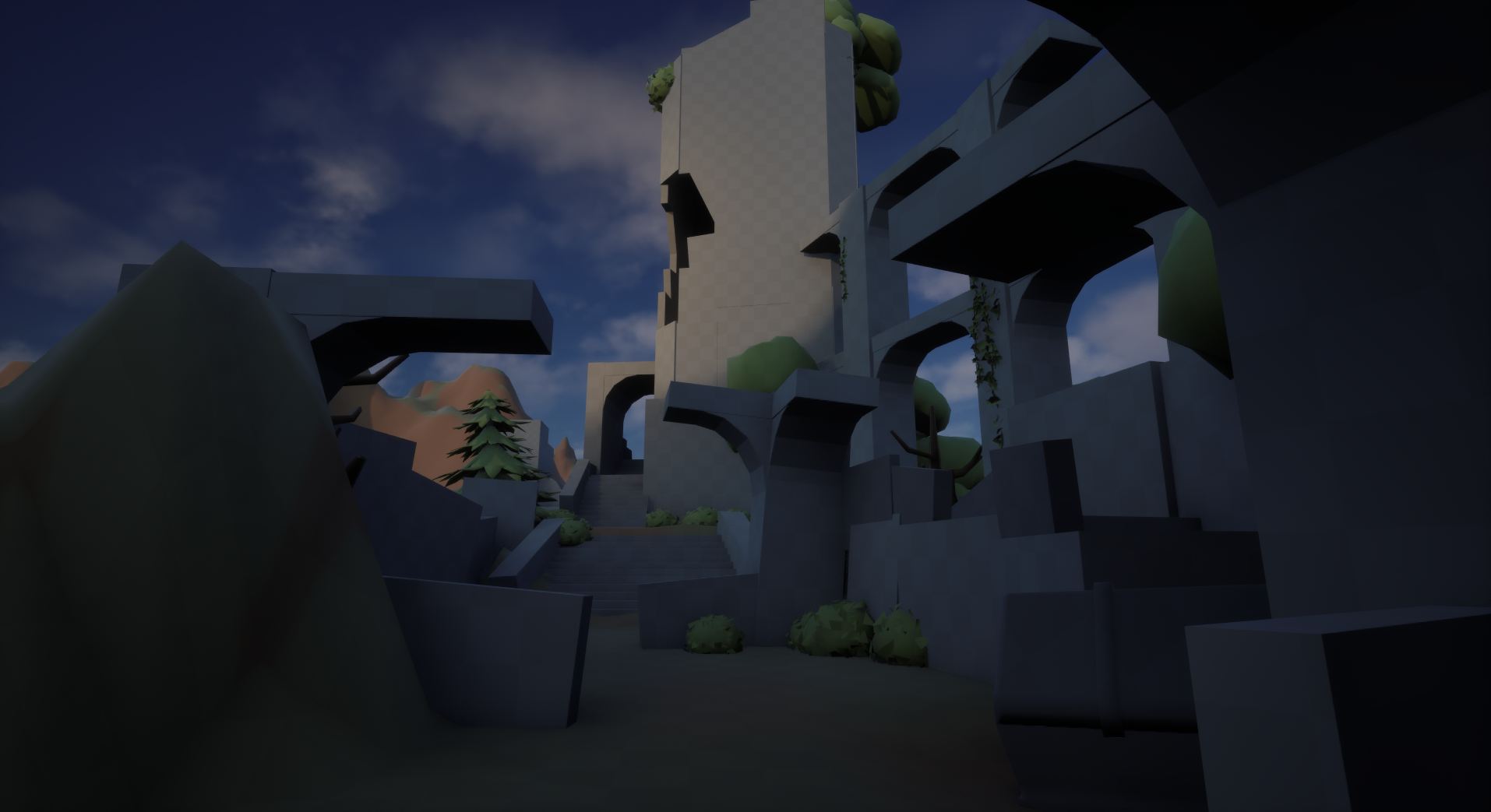
4. The tower
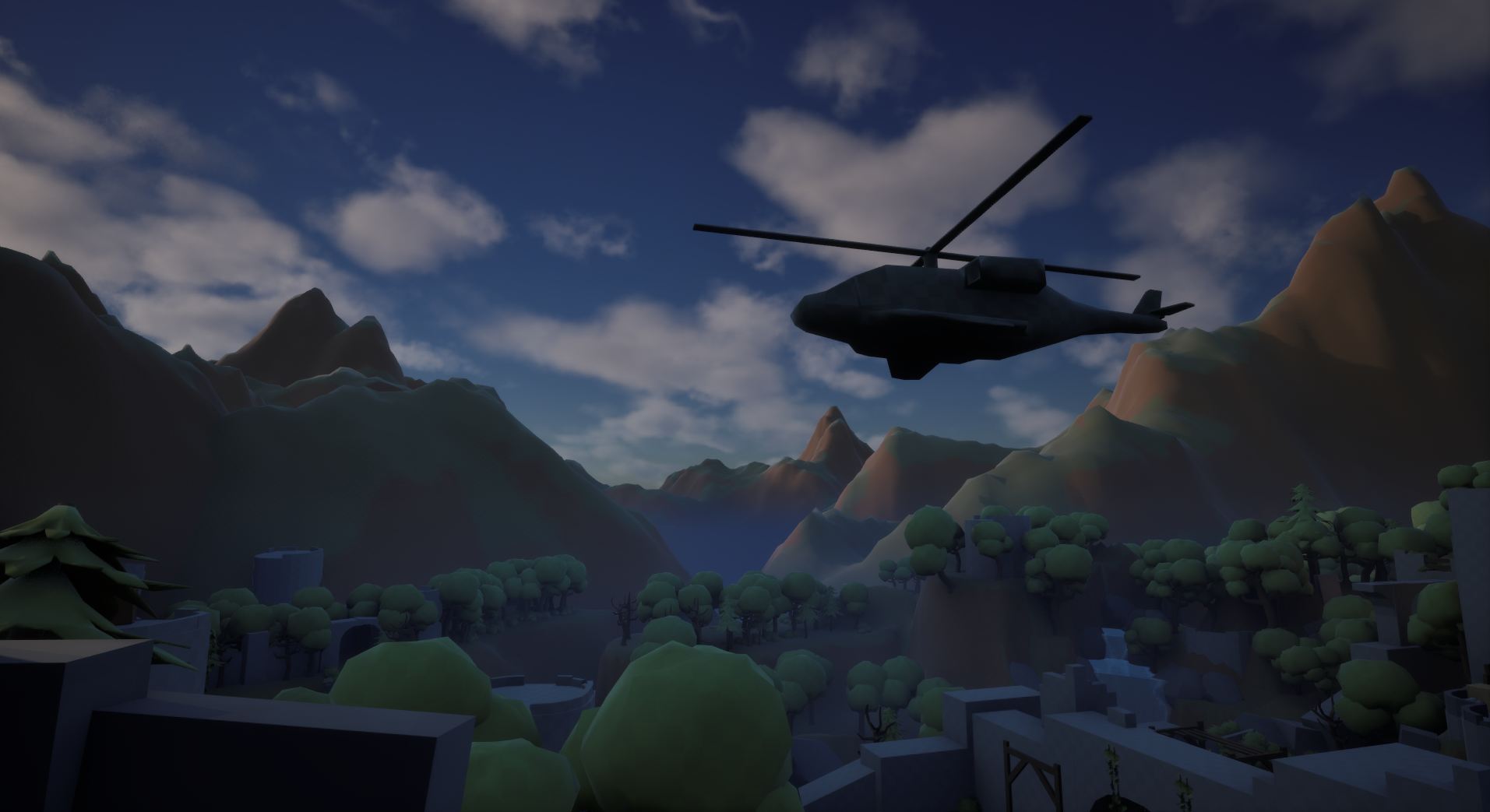
5. Ambush
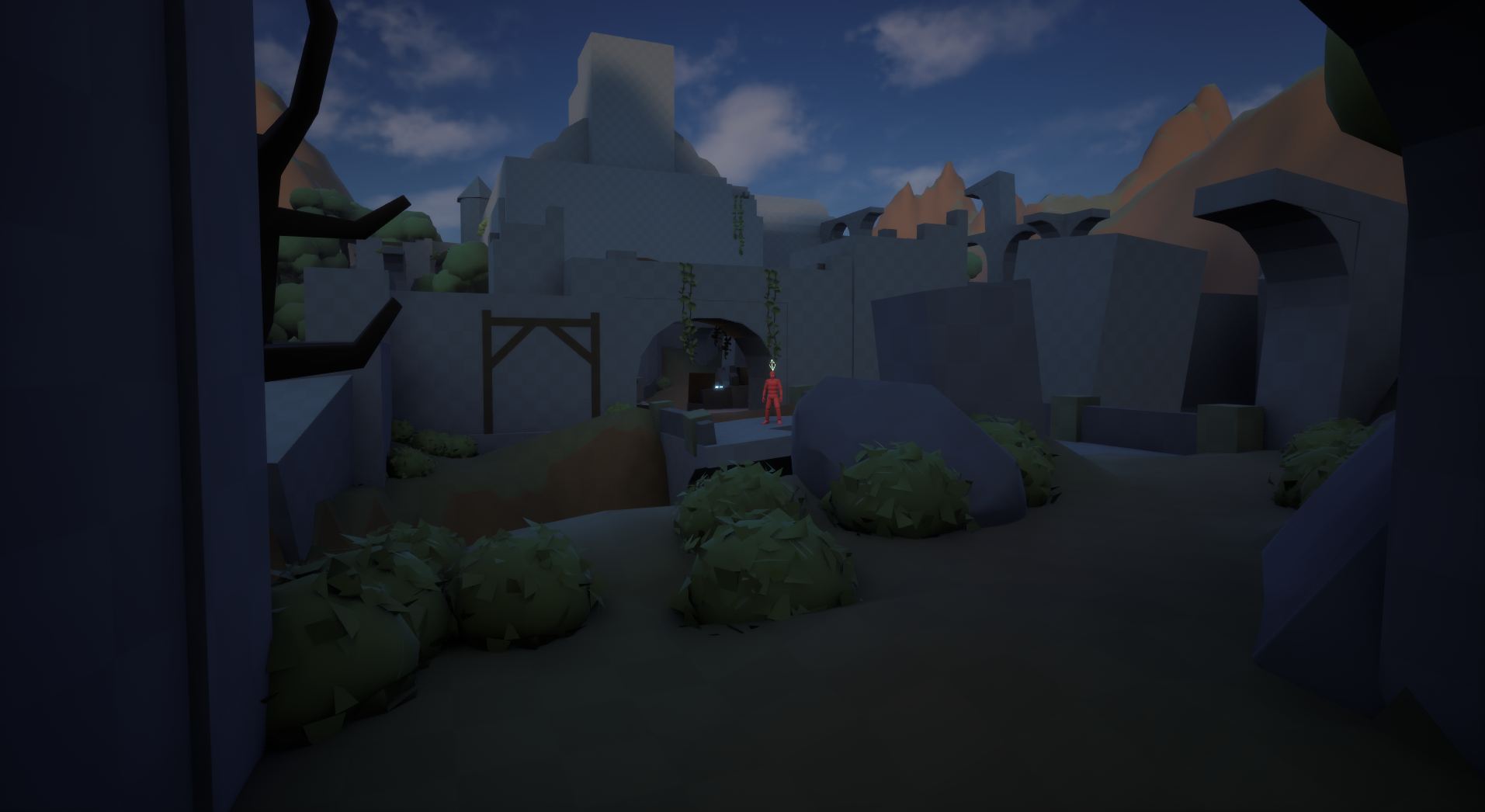
6. Fight your way back
Tension graph
Gameplay In the Level
combat Space
In the level my ambition is to design different styles of engaging combat. The design allows the player to be more stealthy in some situations and take out one enemy at a time. But also in the same space just go head-on if that is more the players play style.
In the older version of the level, the enemies had simpler patrol paths and stopped in one place. This created a problem for players that wanted to have options in play style. To fix this and allow for more stealthy play styles I gave the enemies longer patrols that allow the player to move around the space more.
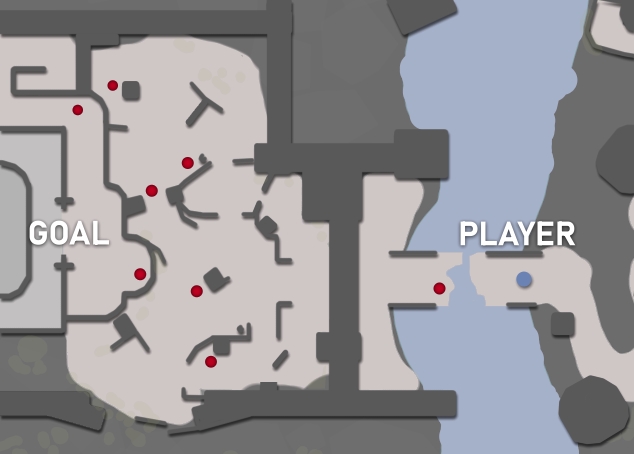
Top-down over the space
This top-down represents the space shown in the video. The player has been trough this area once before, and now has to fight their way back.
Iterations
Things that changed from feedback and playtesting is different covers, the amount of them, and placement. One of the larger changes was also the lighting. It felt unnatural and messed with the contrasts in the environment.
Early on the players felt that it was too difficult to act when there was no proper cover from the enemy on the high ground. So I added more planks, and roof like objects to give the player more sense of protection. As I had experimented with in earlier iterations. It also helped to avoid the door problem, where the player will flee back and hide, instead of going into the space.
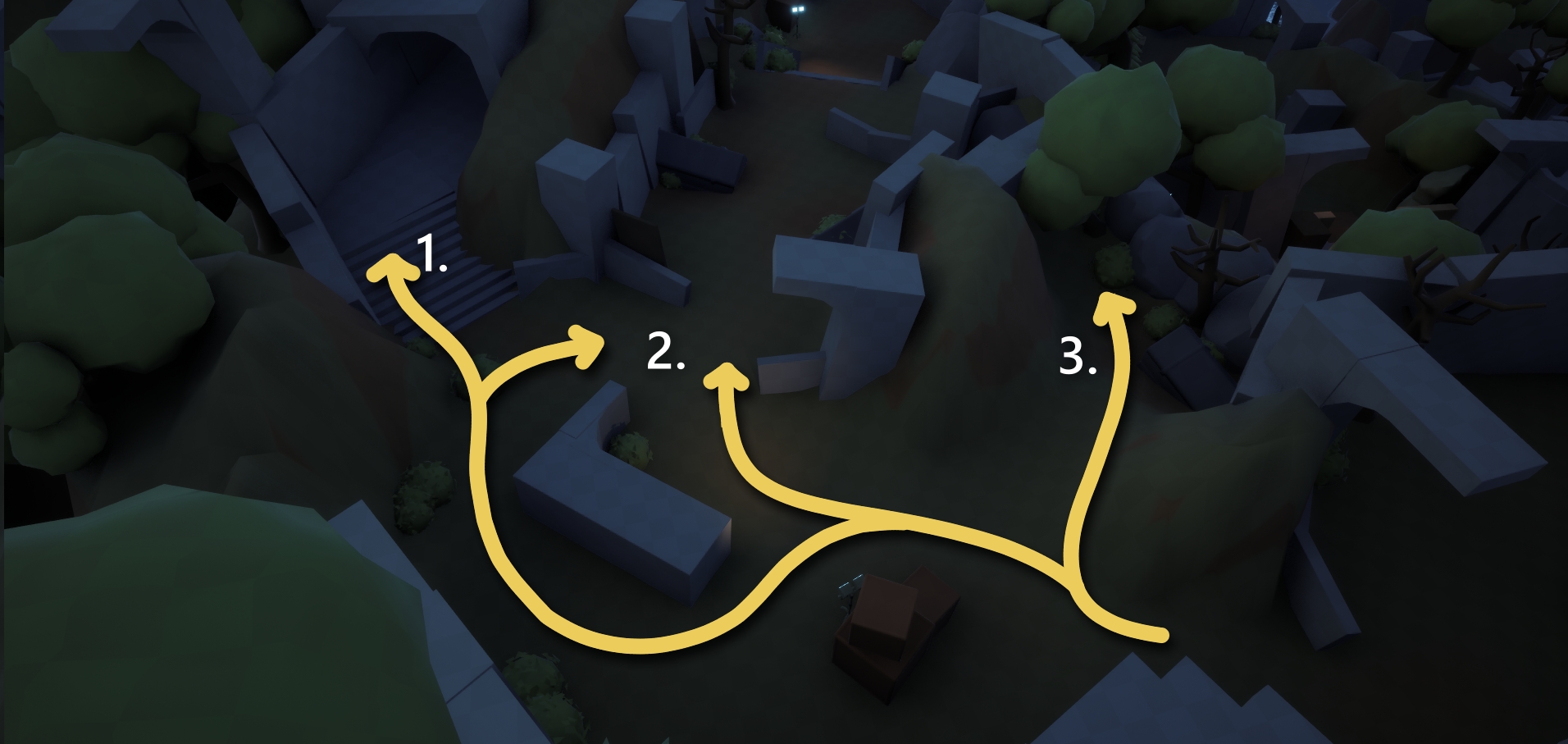
Path 1.
This path will force the player to deal with an enemy to gain the advantage on the others. The path leads to an old tower that the player can shoot back at the enemies they just struggled with. The tower also acts as an vantage point and lets the player see different solutions such as an explosive barrel to shoot.
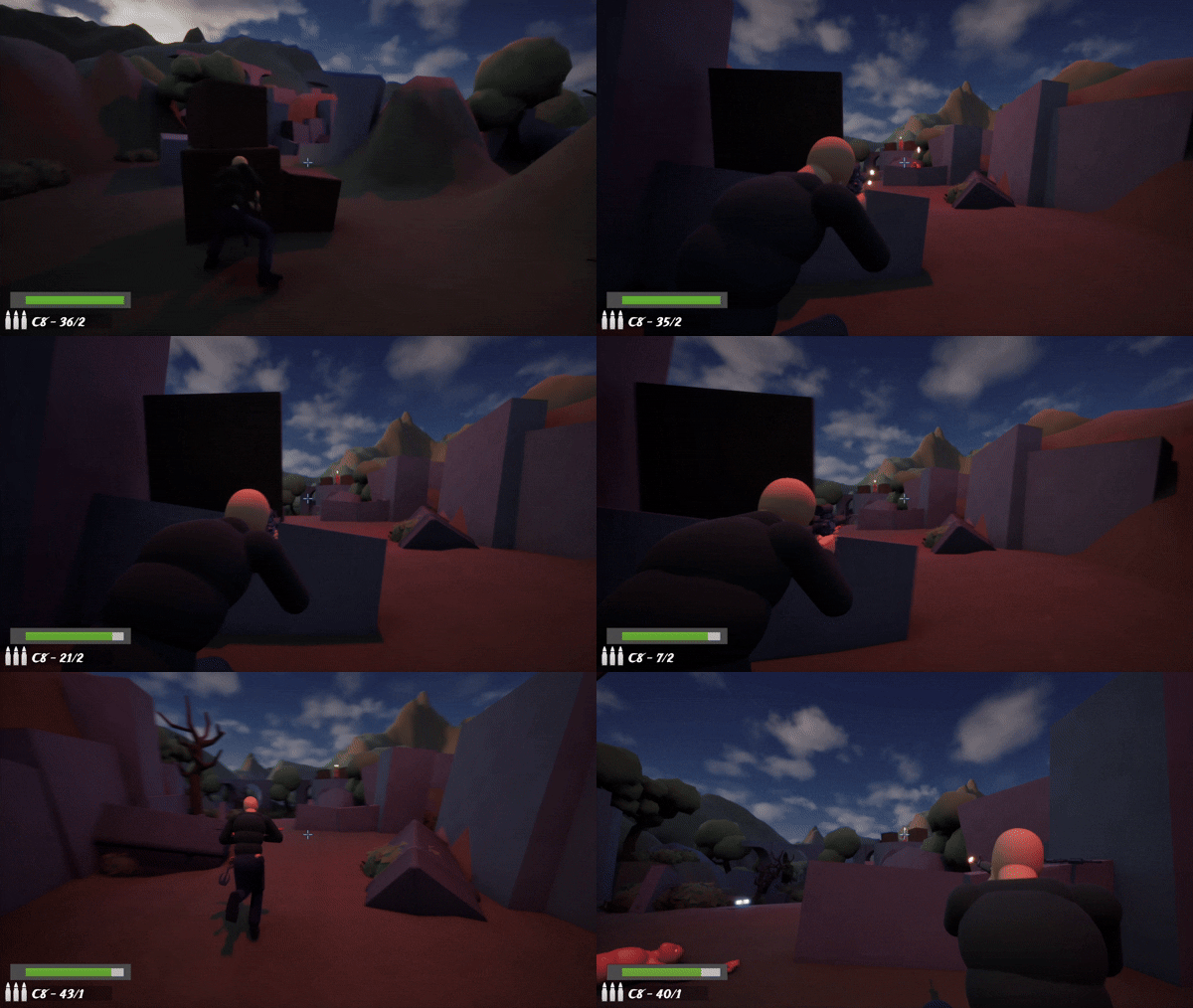
Path 3.
This is the sneaky path that lets the player pass the no mans land from path two and get a free shot on one of the enemies and confuse the remaining ones. However after the assault, the player will be left open on lower ground versus the next enemy.
Player agency
In my older version of the level a problem was that the level lacked choices and player agency. To fix this I added multiple paths for the player to explore and play with. This will offer different styles of approach, and also create player agency.
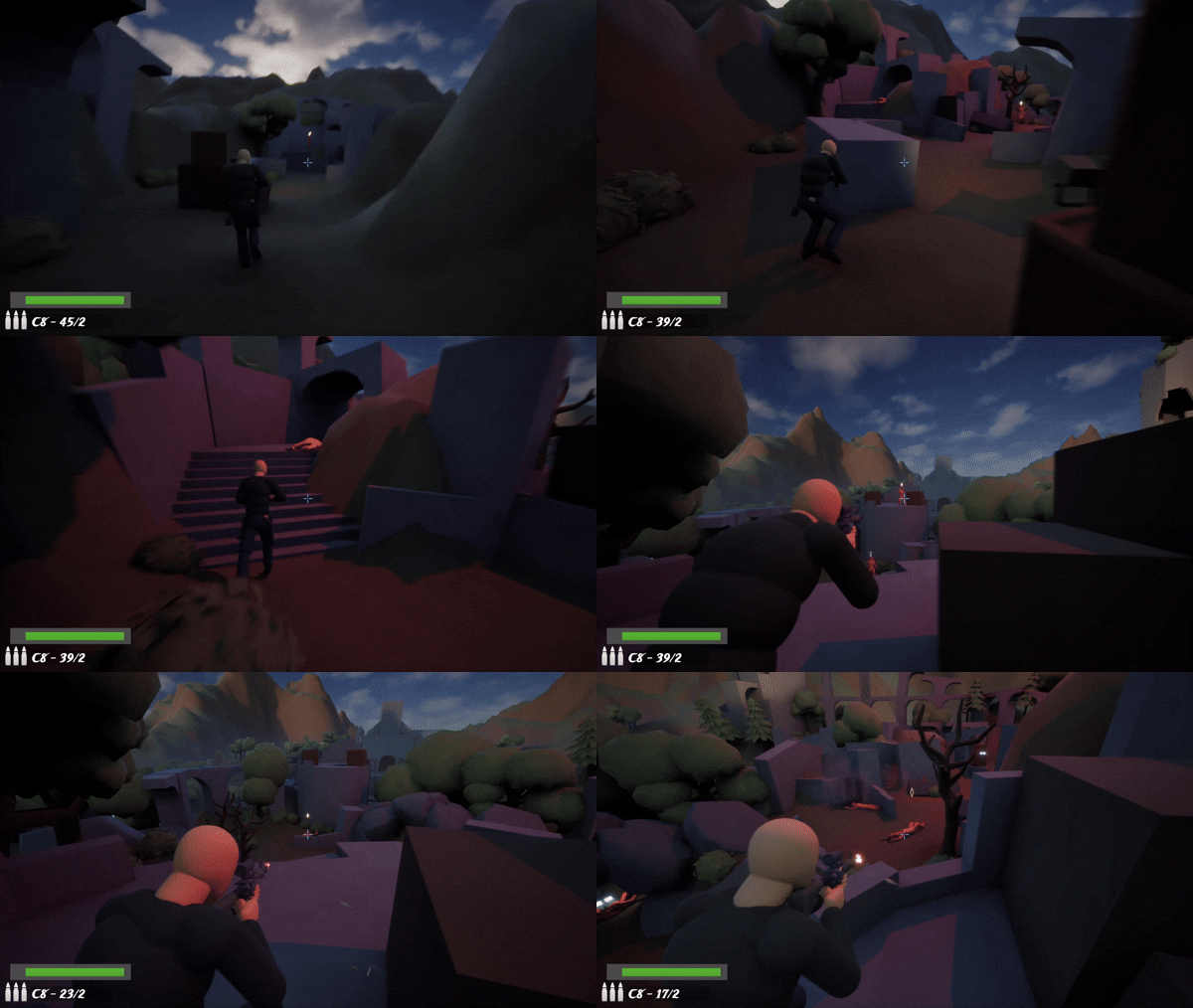
Path 2.
This is the “get them head on” path and is a more neutral battle field with a traditional no mans land that the player will have to conquer to advance. This path is designed to be more challenging to motivate the player to try other paths if they so wish.
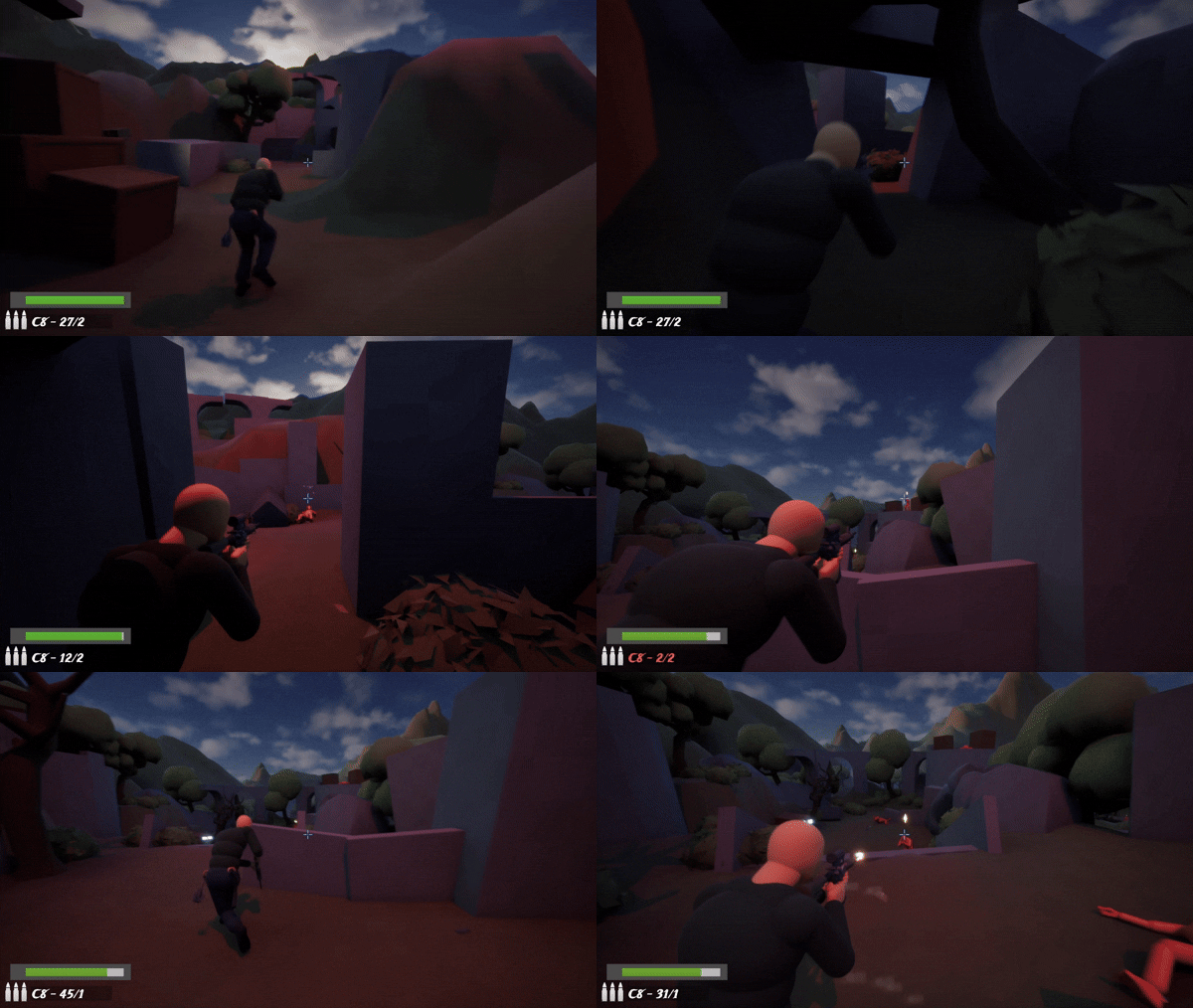
Variety in the experience
If the images stops, just click and drag on the images to see the next one.
Through out the level I took effort in making variation in the environment. Have the player climb, jump, and crouch in different places makes the experience feel more reel, and engaging.
make use of the space
One of the goals for this level was to create a simple puzzle in the early section of the game that encourage the player to move and interact with the environment. I also wanted the puzzle to use as much of the building as possible. This will help the player to familiarize as they return later and is forced to fight here. Also to get used to the controlls.
With feedback and playtesting I tried to make sure that navigating in the space would be quick and simple. This was to try and not frustrate the player if they would fail the puzzle a couple of times.
Establishing shot
Early in the level I designed to have an establishing shot that clearly highlights our long-term goal, the tower. The shot also gives hints to a mid-term goal and uses the temple on our left, our short-term goal, as a way of framing the shot.
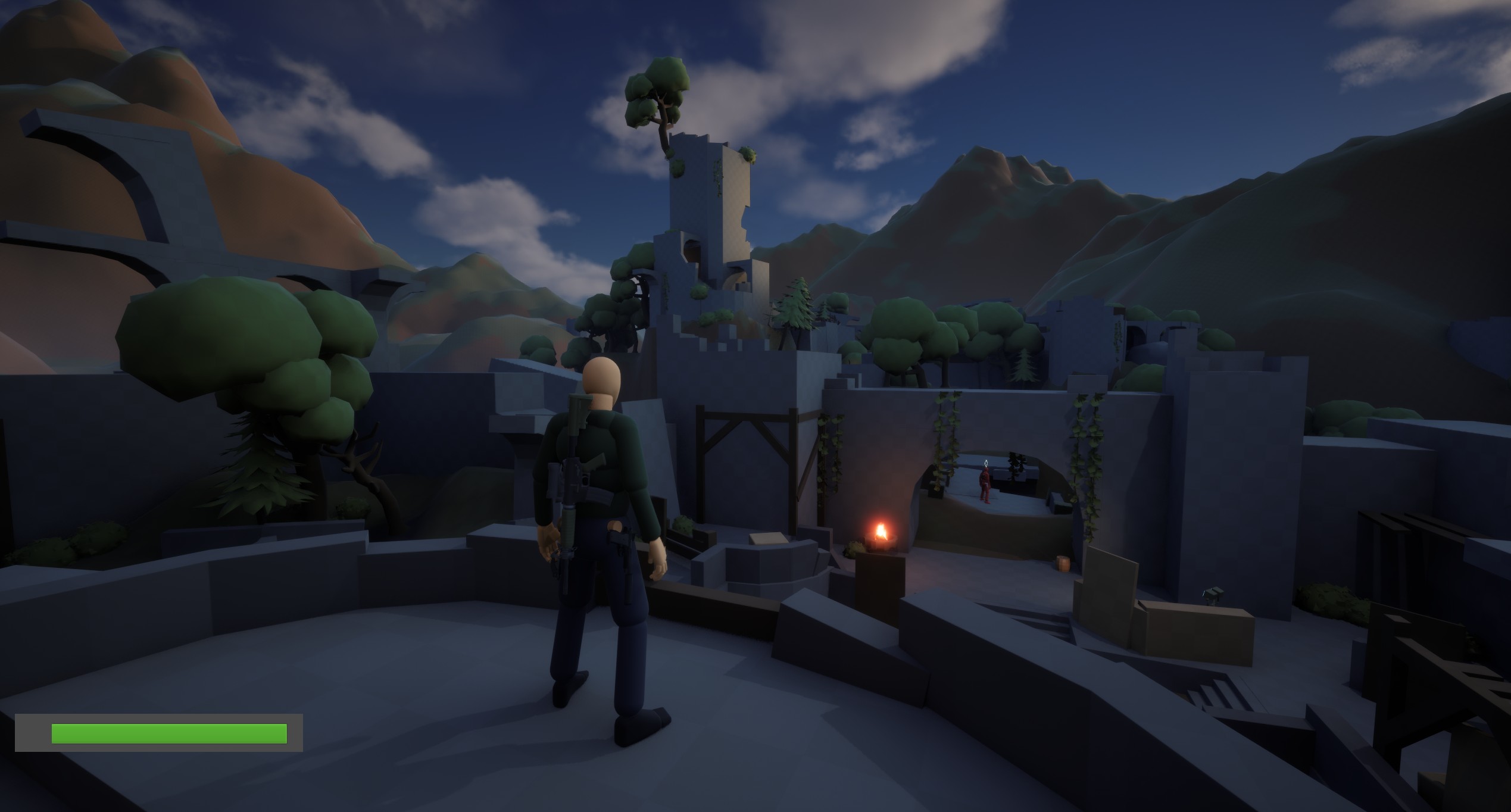
Reminding the player
After the player has been in the temple with the puzzle, I wanted to remind them of their goals and created a second establishing shot to help. The player also gets to see the viewpoint the enemy will later have on them from this position.
I iterated with the lighting to make the tower stand out and be highlighted, but not lose detail in the rest of the level. To help in some areas of the level I added ambiant light to match the sun.
expectation and tension
When the player has reached the tower I wanted to design a moment to tell the player that things have changed and that action is about to start. After playing around with different ideas I decided to use the sequencer in Unreal Engine.
With it I created a short sequence where an enemy helicopter flies past, signaling that action is about pick up. Shortly after this, after dealing with the first enemy a flare gets shot in the sky to increase the tension, but also to create a moment of change in color.
Full commentary Playthrough
Closing thoughts
Working with combat space is a very enjoyable. There are many challenges, design choices, and variations to explore. Overall, I’m happy with the level. One of my reflections is that some of the space felt too similar. With more time, I would change some of the combat spaces to be more different and not just shift from having the player at an advantage to then having the enemies on the advantage. I would also go in and make sure to give more contrast between the enemies and the environment. Some areas became too “noisy” and could make it difficult for the player to spot the enemies.
Working with the AI and finding tricks to make them feel more “smart” was a challenge. However, I’ve learned a lot about how to think about where enemies in a combat space should and shouldn’t be able to move. Having a constant rush of enemies towards the player feels stupid and artificial. I learned to use volume blockers for the navigation plane to construct AI paths that makes more sense and also gives the player hidden areas where the enemy are less likely to venture.
A big thank you for reading.
A special thanks to Ediz Mehmet for playtesting and valuable feedback.